The people your intake team stopped calling are still out there.
Every firm has them. They called, they got qualified, and then they went quiet — and nobody has spoken to them since. Their debt didn't go away.
We work those old inquiries by text, qualify the ones who are ready, and put them back on your calendar.
No retainer, no monthly fee. A $500 deposit to start, credited straight back against your first five booked consultations.
Bankruptcy leads don't expire. They get worse.
A personal injury lead has a statute of limitations. A debt problem has the opposite — it compounds. Someone who called you fourteen months ago and didn't file is very often in worse shape today: more interest, maybe a judgment, maybe a garnishment that finally forced their hand.
Your intake team did their job. They called two or three times and moved on to the leads that were ready. That's correct — it's just that nobody ever went back. So the file sits there, and the person eventually files with whoever reaches them first.
That's the whole business. We go back.
Four steps, and three of them are ours.
You export a list
Old inquiries and former clients from your case management system. We help you pick the segment and confirm where the consent came from before anything sends.
We build it
An assistant configured to your firm — your accepted case types, your service area, your disqualifiers, your calendar. Your compliance person approves every message before it goes out.
It works the list
Short, human text conversations. It identifies itself as AI, asks a handful of qualifying questions, and hands anything unusual straight to a person.
They land on your calendar
Qualified people book their own consultation. Your team picks up a real conversation with someone who is ready — and you're billed a flat fee for that booking.
It's your name on the text message.
Which is why most of the work here is making sure this can't embarrass you. These aren't features we added — they're the constraints the whole thing was built inside.
In the first message, and any time someone asks. It never claims to be a member of your staff.
Not general, not hypothetical. No case evaluation, no predictions, no dollar figures. Those questions go to you.
We're not lawyers and we don't split legal fees. Every fee is a fixed amount, unconnected to any case outcome or recovery.
We complete a consent worksheet with you first — where the data came from, what the form said, who's opted out. If a segment can't clear it, we don't work it.
The debt relief agency disclosure and any advertising label your state bar requires go into the templates before launch.
Hostility, distress, a legal question, anyone saying they never contacted you — the assistant stops and hands it to a human immediately.
This works for some firms and not others.
A good fit
- Consumer bankruptcy, two to fifteen attorneys
- Twenty or more consumer filings a month
- Real Chapter 13 volume — those fees go through the plan, so people who couldn't afford a retainer before can move now
- You already advertise, so there's a pile
- You know your cost per lead and your conversion rate
Not a fit
- Fewer than ten filings a month — the list is too small to be worth either of our time
- Purchased or third-party lead lists, where consent doesn't transfer
- Firms that want a percentage arrangement, which we can't do
- Anyone who'd rather skip the consent worksheet
$500 to start — and you earn all of it back.
The deposit is credited against your first five booked consultations at $100 each. Five bookings and it's gone, which means if the campaign works you've paid nothing for setup. After that it's $100 per booked consultation, no monthly fee, for ninety days.
Why a deposit at all, when we could just do it free? Because a free pilot is the kind of thing that sits on a desk for six weeks. We'd both rather this actually run.
Opens a message that's already written — you just hit send.
We're new to bankruptcy. That's exactly why the deposit comes straight back to you as bookings and there's no retainer attached — we'd rather earn the case study than borrow somebody else's. If you'd prefer a vendor with a wall of logos, we're genuinely not that yet.
Two people, not a call center.
You'll deal with us directly — the same people who build the thing and read the conversations.
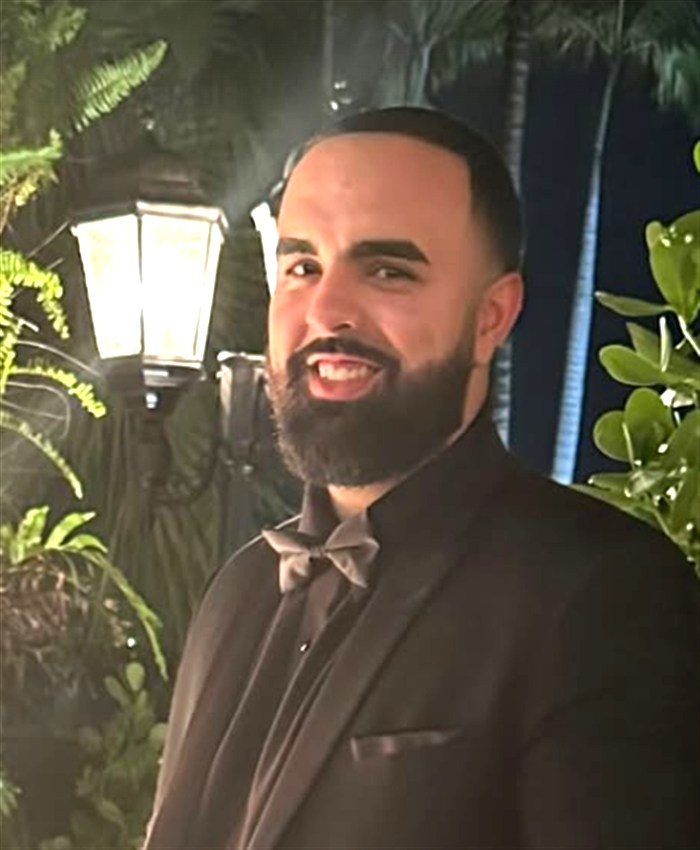
Handles the build, the compliance review, and the reporting. Background in sales and client acquisition.

Handles firm relationships and campaign strategy. Background in business development.
The ones worth asking.
Isn't texting old leads a TCPA problem?
It can be, and the penalties are per message, so it's worth taking seriously. That's why we start with a consent worksheet rather than a spreadsheet — where the contacts came from, what your intake form actually said at the time, and who has previously opted out.
The cleanest place to begin is usually former clients and recent inquiries, where you have an existing relationship. If a segment can't clear the worksheet, we tell you not to work it. We'd rather lose a campaign than hand you a problem.
What about state bar advertising rules?
Those are your call, not ours, and we don't pretend otherwise. Your compliance attorney tells us what your state requires — a label, a disclaimer, retention, or pre-filing — and we build it into the templates before anything sends. Nothing goes out that your firm hasn't approved in writing.
What if it says something wrong to a prospective client?
It's built to fail closed rather than improvise. It can't answer a legal question, assess a case, estimate what anything is worth, or promise you'll take someone on. Anything outside its script — including hostility or distress — ends the automated conversation and goes to a person.
Before a single real message goes out, we run a test battery against those exact scenarios and you see the transcripts.
Can we do a percentage of the fees instead?
No — and we'd push back if you offered. Sharing legal fees with a non-lawyer is prohibited in every US jurisdiction, and it would be your license at risk, not ours. Every fee we charge is a fixed amount for marketing and administrative work, with no connection to case outcome or fee amount.
Who owns the conversations?
You do. They're communications with your prospective clients, under your firm's name. You can export the full record at any time, and we hand everything over if you leave. There's no version of this where your client communications are difficult to get back.
How long until we see anything?
Typically a couple of weeks from a signed consent worksheet — most of which is registration and testing, not building. We start with a small batch and read every conversation before opening it up. Anyone who tells you they'll blast your whole database on day one is telling you something useful about how they work.
Fifteen minutes, and we'll show you the conversation.
No deck. We'll pull up the assistant, you play one of your old inquiries, and try to break it. That's the whole meeting.
Book 15 minutes